Things that pass unnoticed, and the questions they open.
A tool, an experiment, a passage in a book, a puzzling study. Different starting points, the same habit: look closer, follow the sources, leave room for what I cannot explain.
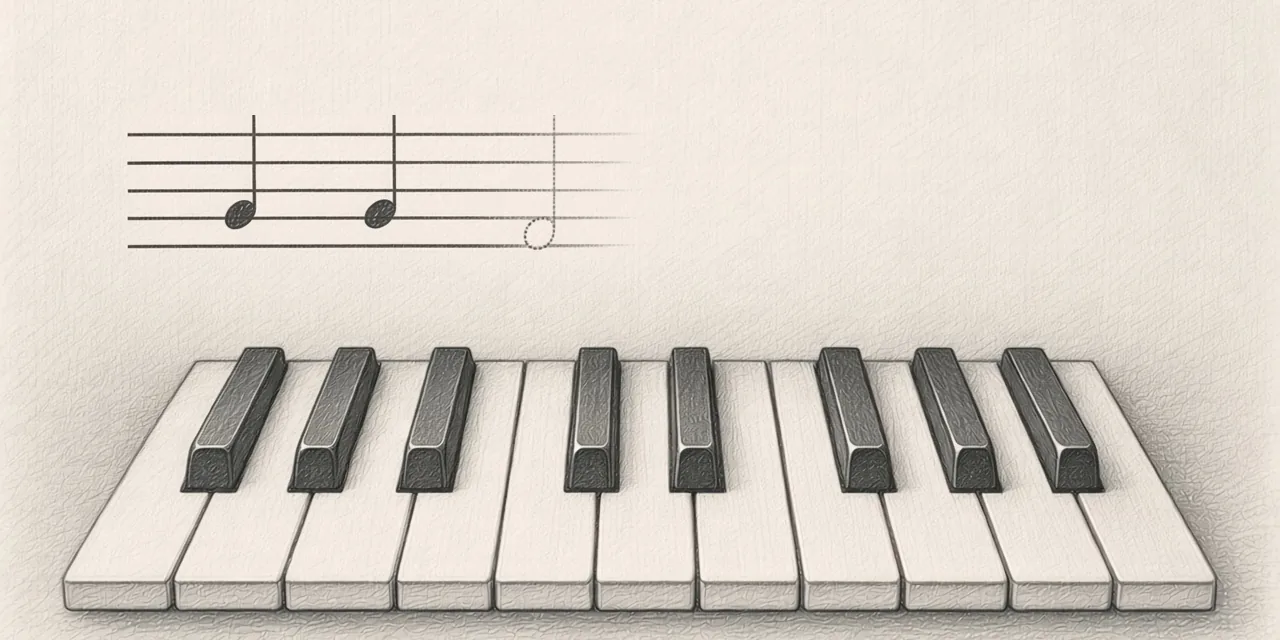
After a motorcycle crash, a Tennessee music teacher began naming the chords he heard on the radio. He is now described as the first documented case of perfect pitch acquired through brain injury. The open question is what, exactly, was documented.
Under propofol, the hippocampus of a few surgical patients kept tracking tones and words. The study calls that state “unconscious”: it is worth asking what the word rests on.
Fifty people who reported a near-death experience were asked to draw the spaces they remembered. Conical passages came out mostly without colour; open, arc-bounded spaces came out mostly chromatic.
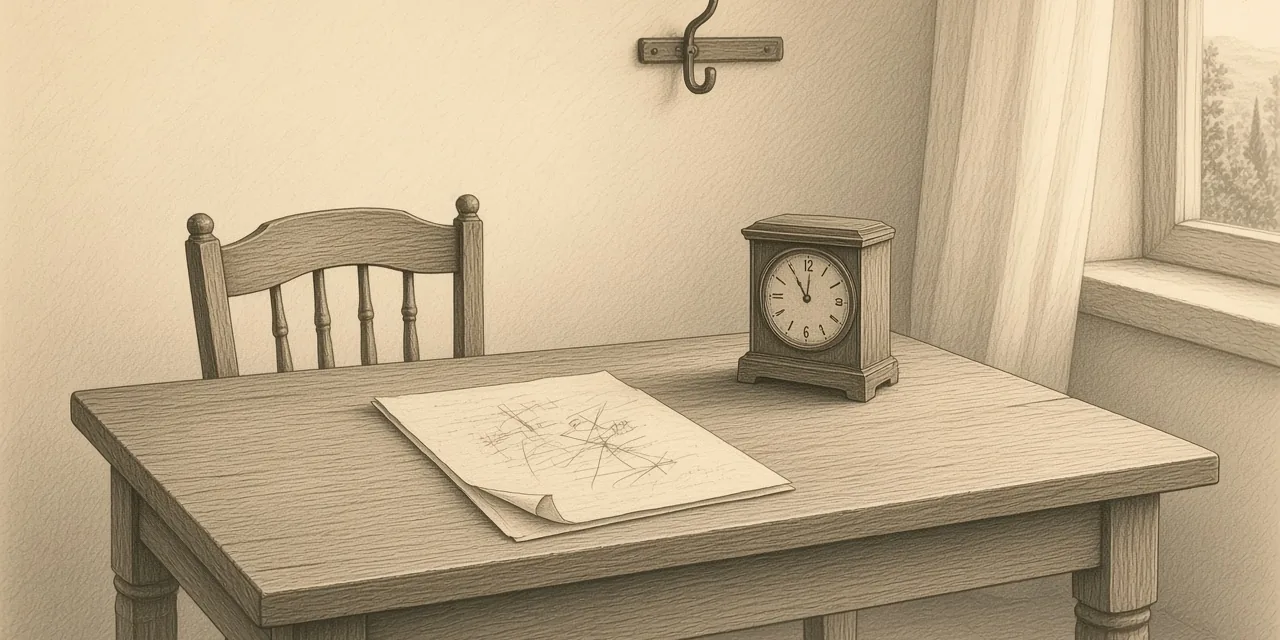
On the verso of an authenticated Lorca manuscript, pencil lines begin «Canta el reloj». Whether he wrote them remains contested — and the speaker says he is not present.
In a hospice unit, researchers filmed people with advanced dementia for more than a thousand hours. Nine episodes of unexpected communication survived a multi-informant review — and only three of the twenty residents had any.
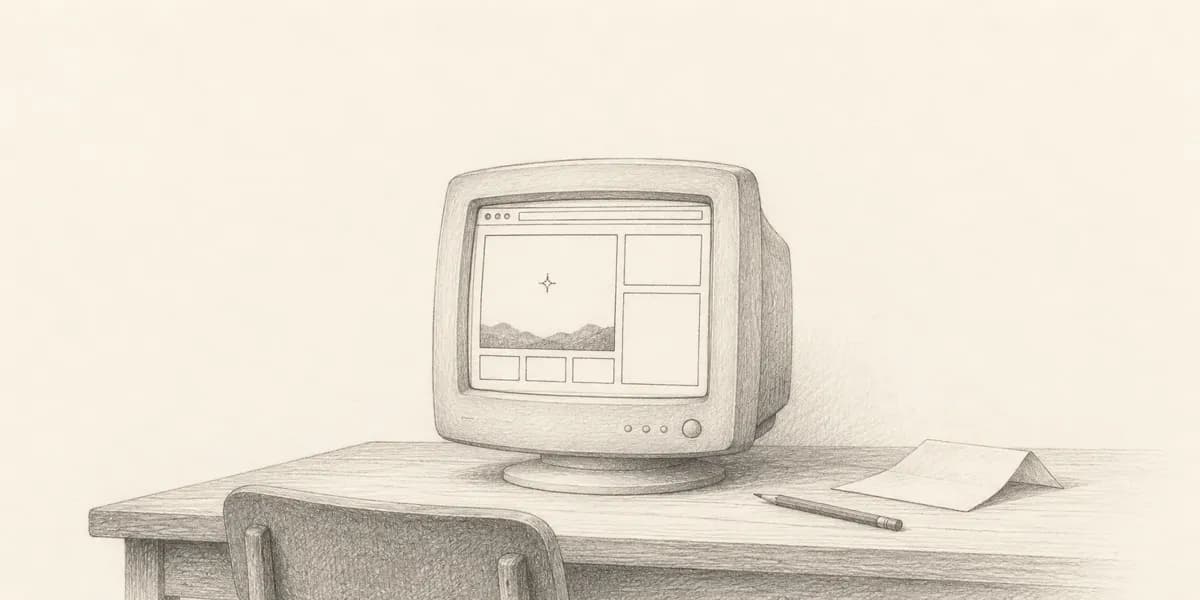
Two researchers read the reasoning of the model that tops a leaderboard for AI agents. In almost a quarter of its attempts it cites, as instructions, rules that only the benchmark’s hidden tests contain. The study is quick, not peer reviewed and largely labelled by other AI models, and it cannot say how the model was trained.
01 / AI
AI notes
Tools, models and technical curiosities, beyond the first impression.
Two researchers read the reasoning of the model that tops a leaderboard for AI agents. In almost a quarter of its attempts it cites, as instructions, rules that only the benchmark’s hidden tests contain. The study is quick, not peer reviewed and largely labelled by other AI models, and it cannot say how the model was trained.